This reflection is not just for water people. Stay with me.
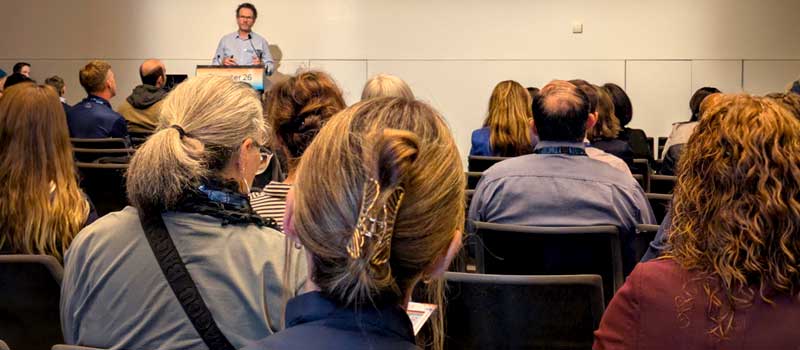
Ozwater is the biggest water industry conference in Australia, with more than 5,000 people attending, just a few weeks ago. I presented on the final day, after the big dinner the night before. Needless to say, not all 5,000 people came to hear me speak. But I did receive a reassuring message from a distinguished board member who sits on two significant metropolitan water boards:
“Terrific presentation, Simon. You nailed it.”
The presentation was essentially about this: water utilities need to stop talking to boards, regulators and funders only about pipes, pumps and wastewater, and start framing major investment in terms of the outcomes water enables.
- Housing.
- Public health.
- Social cohesion.
- Cultural reconnection.
- Regional growth.
- Climate resilience.
Water is not the outcome. It enables the outcomes that communities care about.
Presentation aside, I came away from Ozwater with a stronger sense of why I still care so much about the water sector and the people supporting it.
Across the conference, thousands of people were talking about infrastructure, climate, customers, Country, regulation, asset renewal, circular economy, regional water security and the future of service delivery.
But what stayed with me most was That water people are, by and large, not in this work for the money. Neither are many of the people I work with across councils, government agencies, regulators, not-for-profits and other public serving organisations.
They are there because something else makes them tick.
They care about communities.
They care about fairness.
They care about the long term condition of places they may never personally benefit from.
They care about leaving systems in better shape than they found them.
That might sound sentimental, but I think it is one of the sector’s greatest strengths. It is also one of the reasons the current squeeze matters so much.
The sector is carrying more than people see
Water corporations do not simply sell water and take wastewater away.
They are being asked to renew ageing assets, adapt to climate change, support housing growth, improve environmental outcomes, strengthen resilience, engage more deeply with Traditional Owners and communities, and keep prices affordable. All at once.
I have been connected to the sector for 25 years, and it feels like we are now trying to do all of this with less capacity, less time, more scrutiny and higher expectations.
Of course, this is not unique to water. Councils and many other organisations are facing a similar pattern.
More complexity. Less support.
More public expectation.
More pressure to justify every decision.
At some point, passion alone is not enough.
Public officials are still holding the line
One of the things I respect most about people working inside public institutions is that they often carry the consequences of decisions they did not create.
They inherit ageing assets.
They inherit deferred investment, political promises, community frustration, regulatory obligations.
They inherit systems that were built for a simpler environment.
Then they are asked to make it work.
That is one of the biggest differences between public and private sector leadership, in my opinion. Public leaders are often balancing all of this while being scrutinised from every direction and working within constraints they cannot simply change.
I think that deserves more respect than it gets.
There is a particular kind of professionalism in people who keep showing up for public value when the system around them is stretched. You see it in water utilities. You see it in councils. You see it in regional agencies and community organisations. These institutions are not perfect. None are.
But many of the people inside them are genuinely trying to solve difficult problems with limited room to move.
The squeeze is becoming structural
What concerns me is that the squeeze no longer feels temporary. It feels structural.
- Ageing infrastructure is not waiting for the perfect funding cycle.
- Climate risk is not waiting for price submissions.
- Housing demand is not waiting for spare network capacity.
- Communities are not waiting for political willingness.
- Regulators are not lowering the bar because teams are stretched.
The pressure keeps accumulating while capacity often moves in the opposite direction. That is why the way we frame, prioritise and defend decisions matters more than ever.
I did not leave Ozwater feeling pessimistic. Quite the opposite. I left with a sense that the sector has the people, intent and technical capability to meet the moment. It is not short of commitment. But commitment needs support and direction.
In next month’s article, I take on one of the big challenges – how do we turn around our declining productivity and achieve better outcomes with less.


No Comments